













Online








Send E-mail

Request a quote

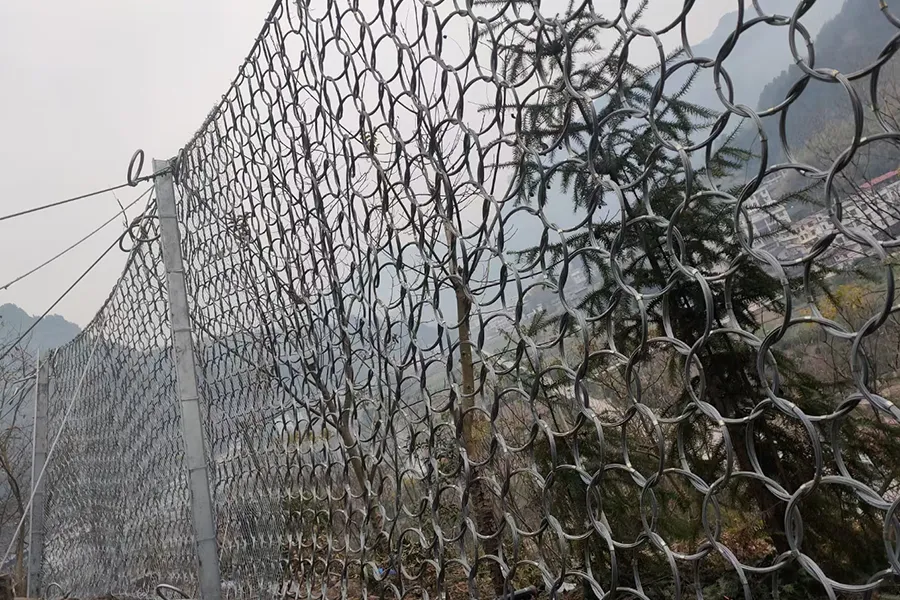
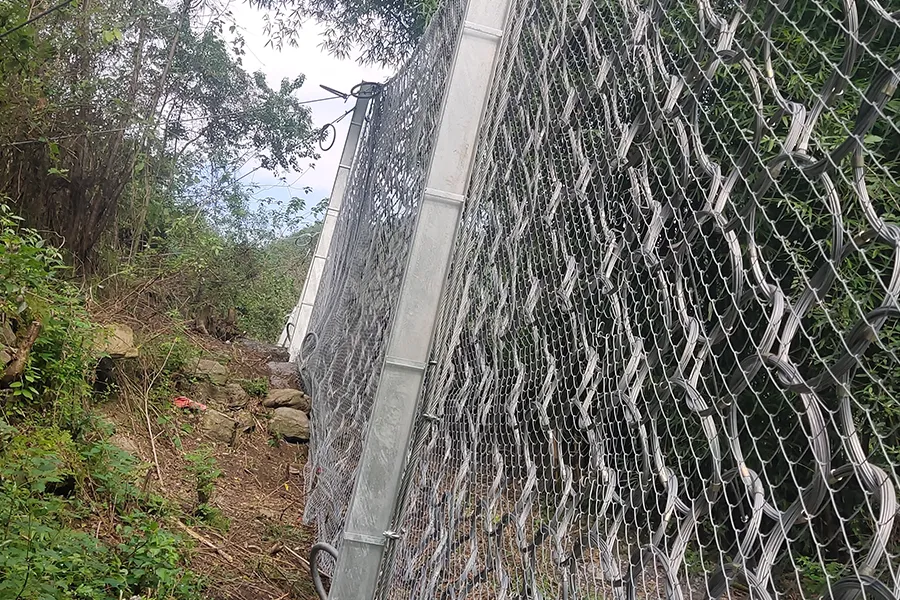
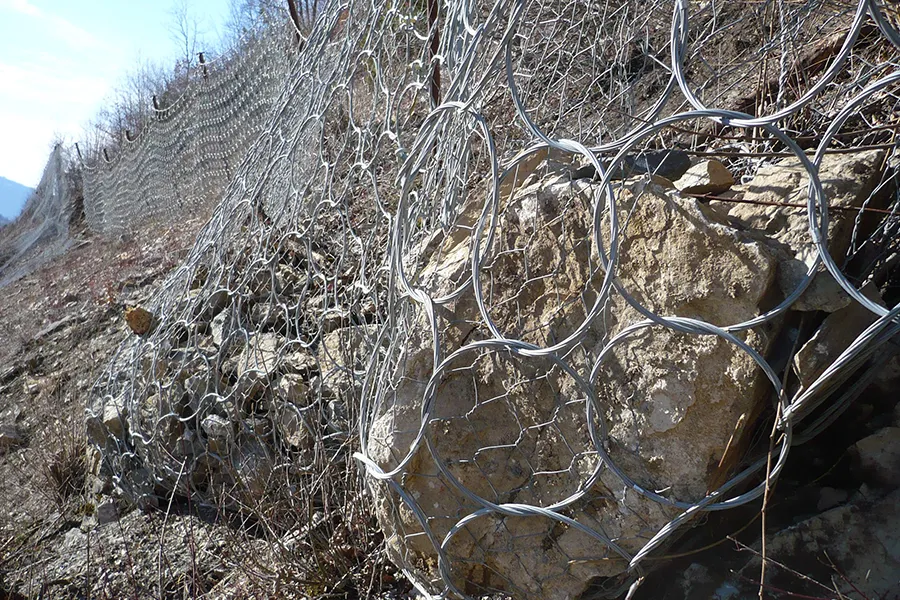
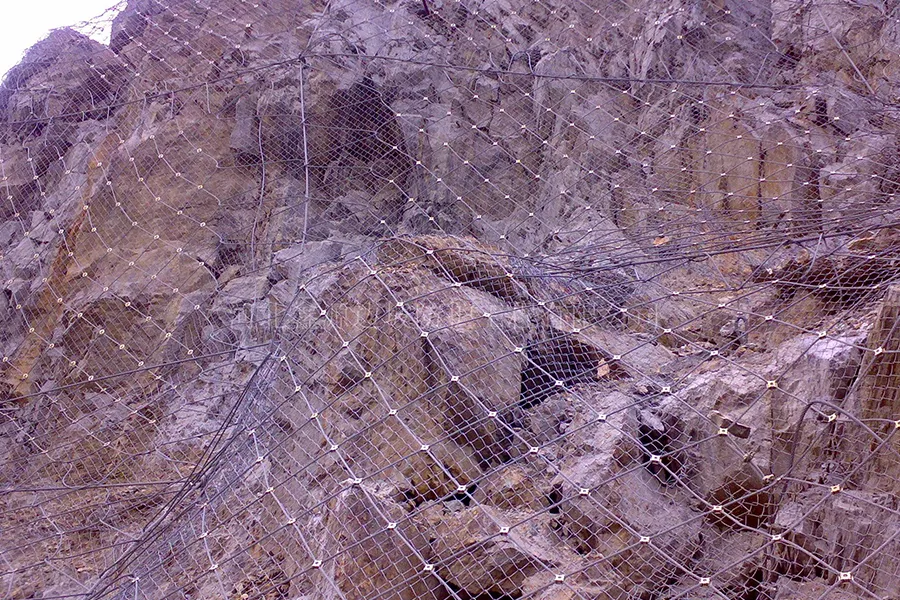
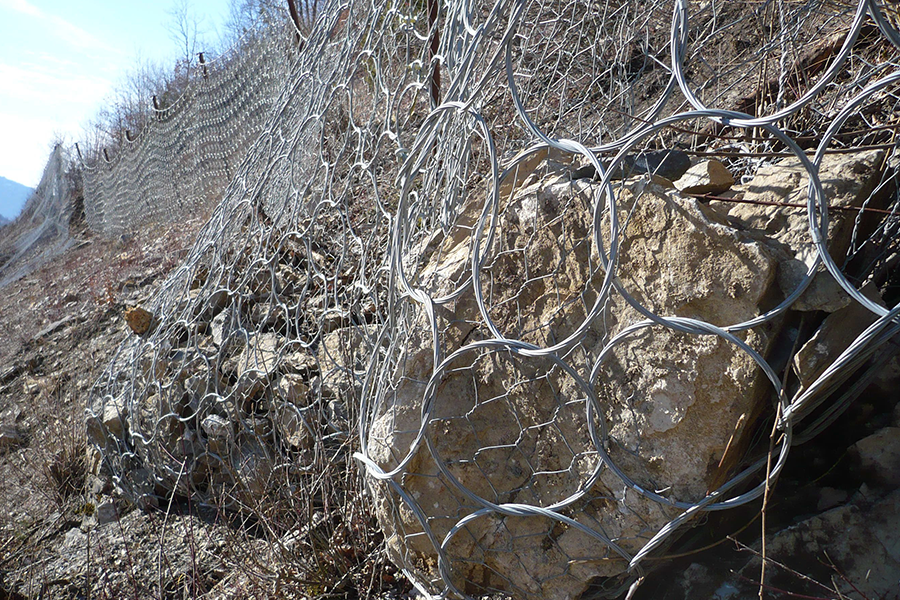
Passive protection nets are typically fixed to slopes or mountain faces, effectively absorbing and dispersing the impact of falling rocks, reducing the threat to roads, buildings, and other structures below.
- Key Features
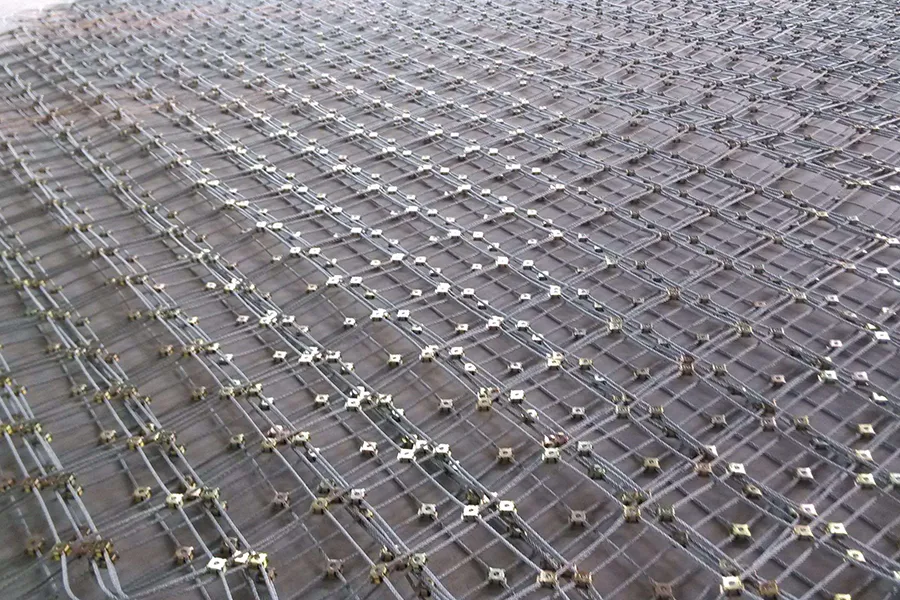
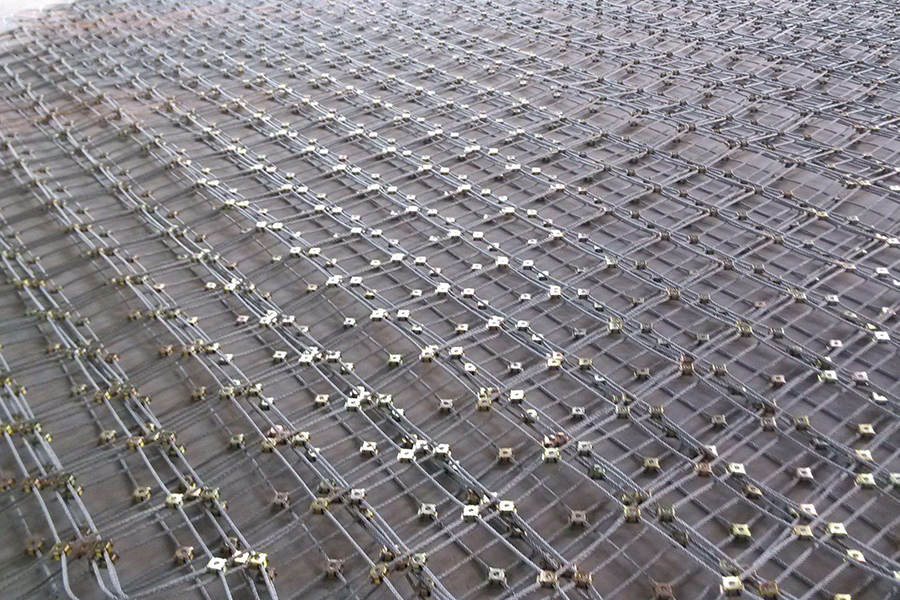
High Strength and Stability: Passive protection nets utilize high-strength steel wire or synthetic materials, capable of withstanding significant impact forces and maintaining structural stability.
Wide Protection Range: Suitable for a variety of terrains and climates, they can be designed and installed to meet specific needs.
Easy Maintenance: Generally, maintenance and repair of protection nets are relatively simple, reducing ongoing management costs.
Good Impact Resistance: They effectively capture and block falling rocks, preventing damage to the area below.
Economical: Compared to other protective measures, passive protection nets are generally less expensive and offer excellent protection.
- Application Scenarios
Passive protection nets are widely used in the following areas:
Highways and Railways: They are installed on mountain faces and slopes along transportation routes to prevent the impact of falling rocks and landslides on traffic.
Water Conservancy Projects: They are used to protect reservoirs, rivers, and other areas to ensure the safety of water and soil resources. Mines and construction sites: Preventing soil and rock slides during mining and construction, protecting workers and equipment.
Mountainous tourist areas: Protecting the natural landscape while ensuring the safety of tourists and preventing accidents.